Up at 545 to be ready for pick up for our 4-5 hour drive to Gallipoli.
Picked up on time and collected the remaining crew before snaking through backstreets onto a freeway packed in both directions.
A couple of pit stops along the way as we tracked Sea of Mamara, with its ports at places like Botas , where huge gas and oil reservoirs serviced the ships. Many were anchored just a couple of 100 metres offshore.
Swung away from coast through some rolling rural territory mainly with crops and dotted with electricity pylons. Roads were absolutely fantastic.
Around 50km mark from Gallipoli the pine plantations started as we started to go down other side of the peninsula. We did not cross the huge suspension bridge over the Dardanelles.
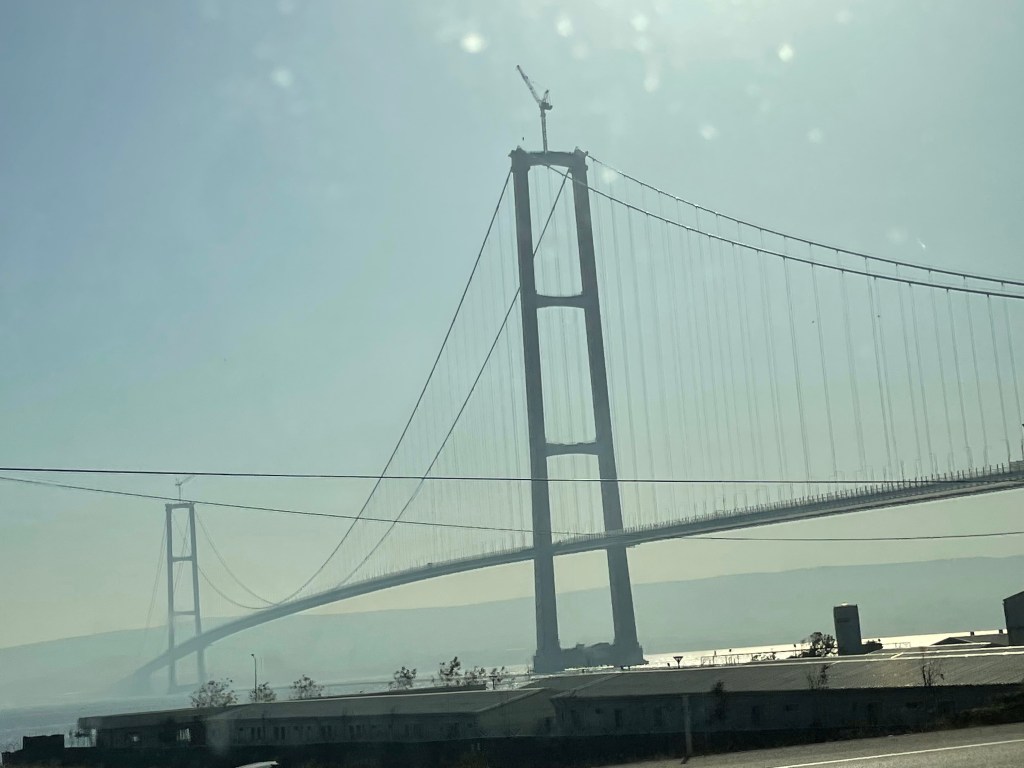
Back close to water and seaside dotted with shipyards, with huge vessels just off shore.
The closer we got the steeper and taller the mountains became and they were covered in dense pines.
Close to shore were different versions of mussel farms, some lease stule and others stand up, similar to what farmers in Coffin Bay are using.
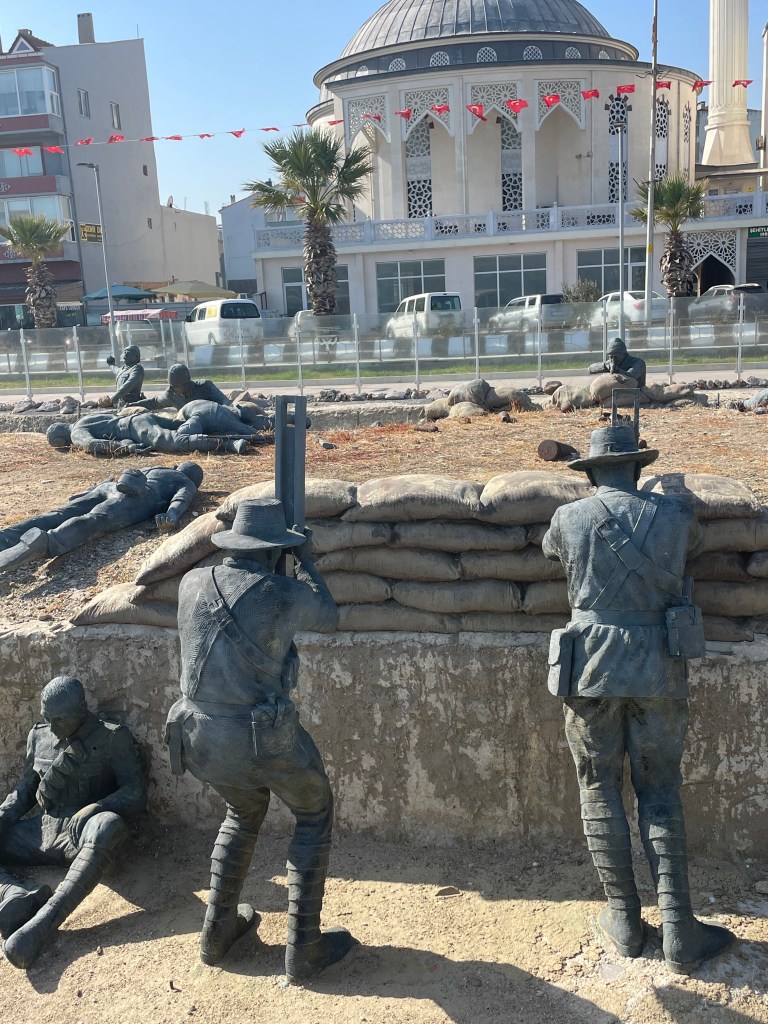
Arrived at town just short of starting point around 12, had a typical lunch m, then o walk along seashore , where there was a representation of the trenches at TheNek, before getting onto bus for the Gallipoli Peninsula Anzac Tour.
We had an amazing guide whose wartime history knowledge was amazing and I am sure we both walked away more informed about the Gallipoli campaign than before we arrived.
Ironically today was the 108th anniversary of Turkey deciding to join the Germans after Churchill reneged on a ship building contract. Another irony was the first and only naval invasion by Allies which resulted in the loss of a third of of that fleet and resultant defeat, was on Matt Lee’s birthdate ie 18th March – thank God something came out of that date.
We got a complete rundown on each significant battle in which Anzac’s were involved and the successful and failed tactics of both sides. When you think that the landing at Anzac Cove North Beach resulted in gaining just 1 kilometreof territory in 8 months before evacuation, it was a clear win to the Turks.
The better trained , led and acclimatized locals who were hardened sildiers fighting troops who were basically 60% volunteers made a major differences.
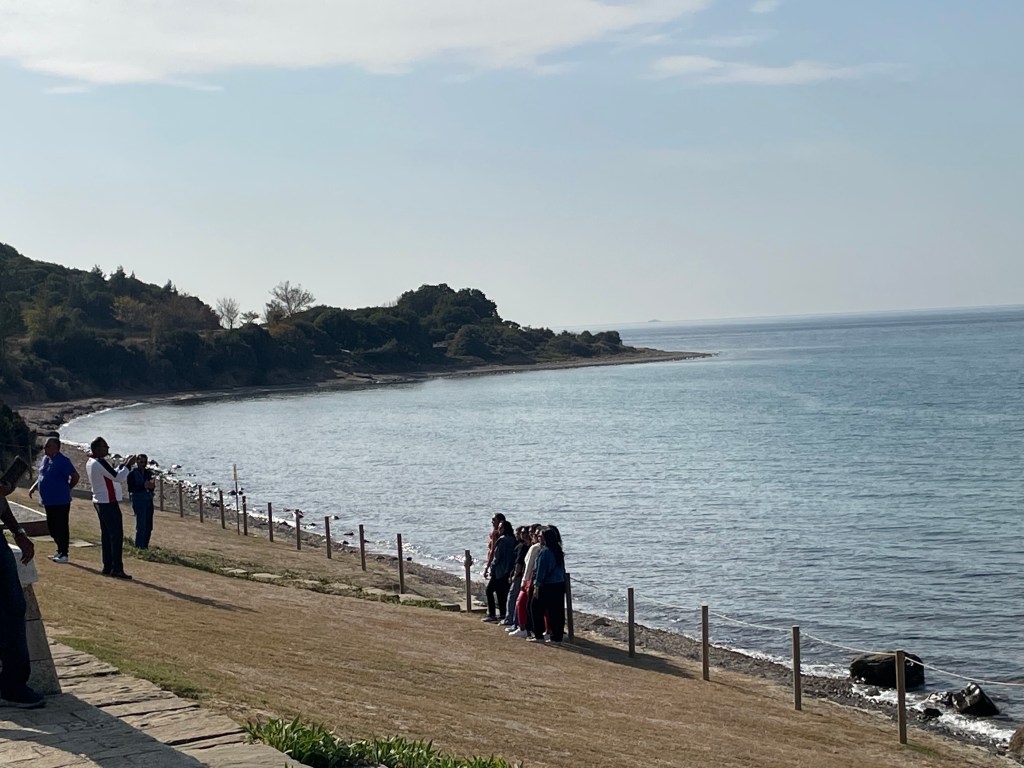
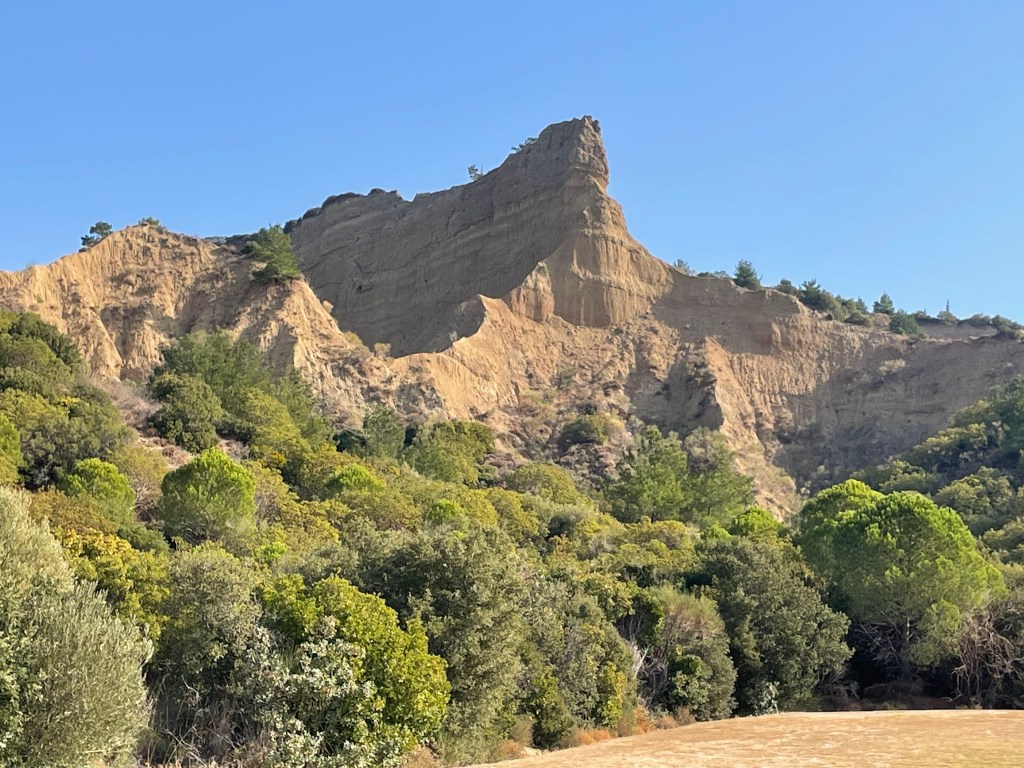
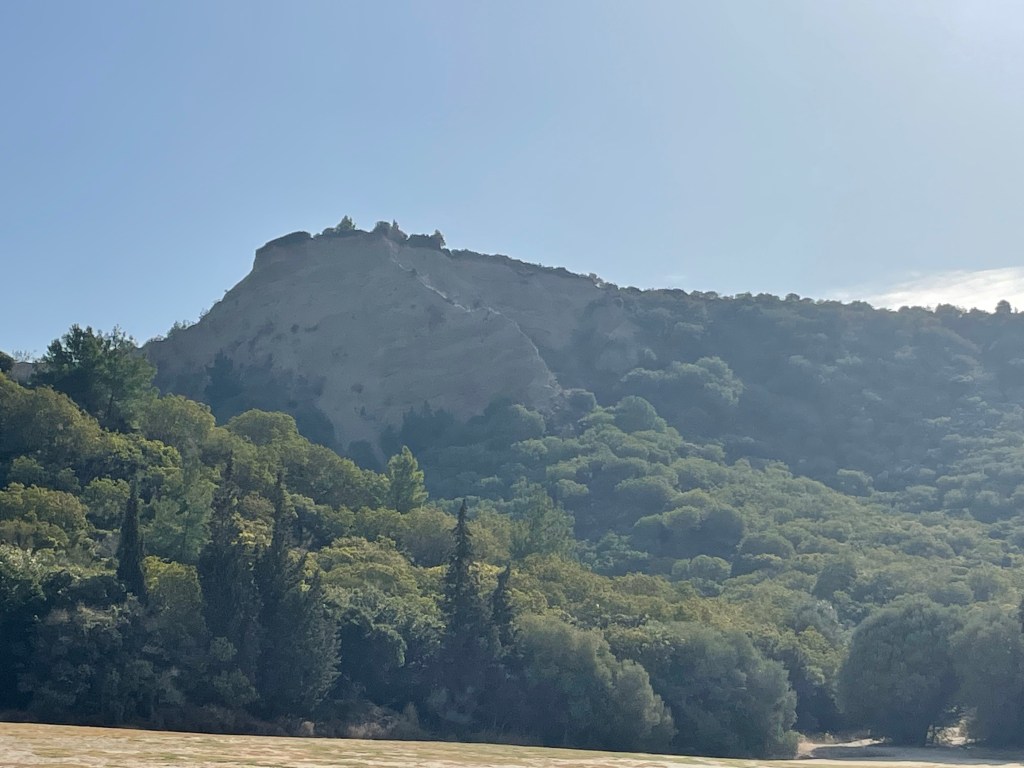
The terrain also helped with Turks holding high positions and Allie’s faced with barren cliffs and gullies with no cover.
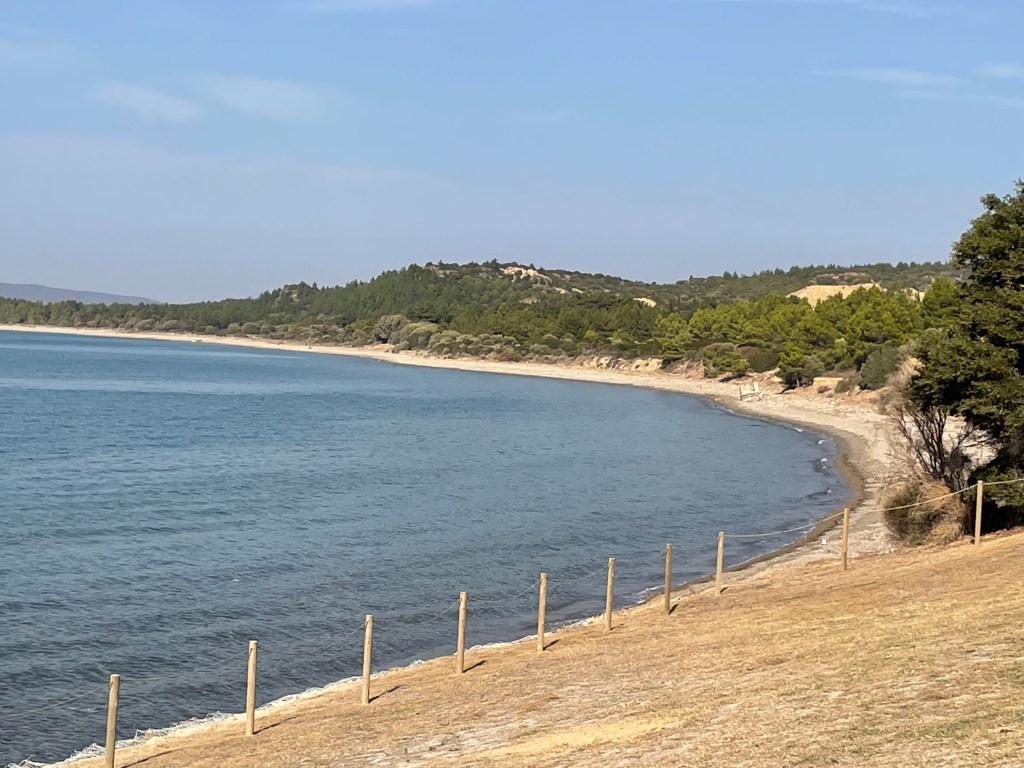
In such a beautiful beach setting it’s difficult to comprehend how the men felt jumping off and seeing what challenges lay ahead.
The loss of lives in 25th April is mind boggling , as was the 8000 odd soldiers who died from both sides on an area no bigger than a football field at Lone Pine. The Nek was nothing short off carnage and plain bad man management by both British and Aust commanders.
At several places trenches were less than 10 metres apart and many were tunnelled under as another form of attack. With trenches and tunnels main defence and attack mediums it’s little wonder our soldiers were named Diggers.
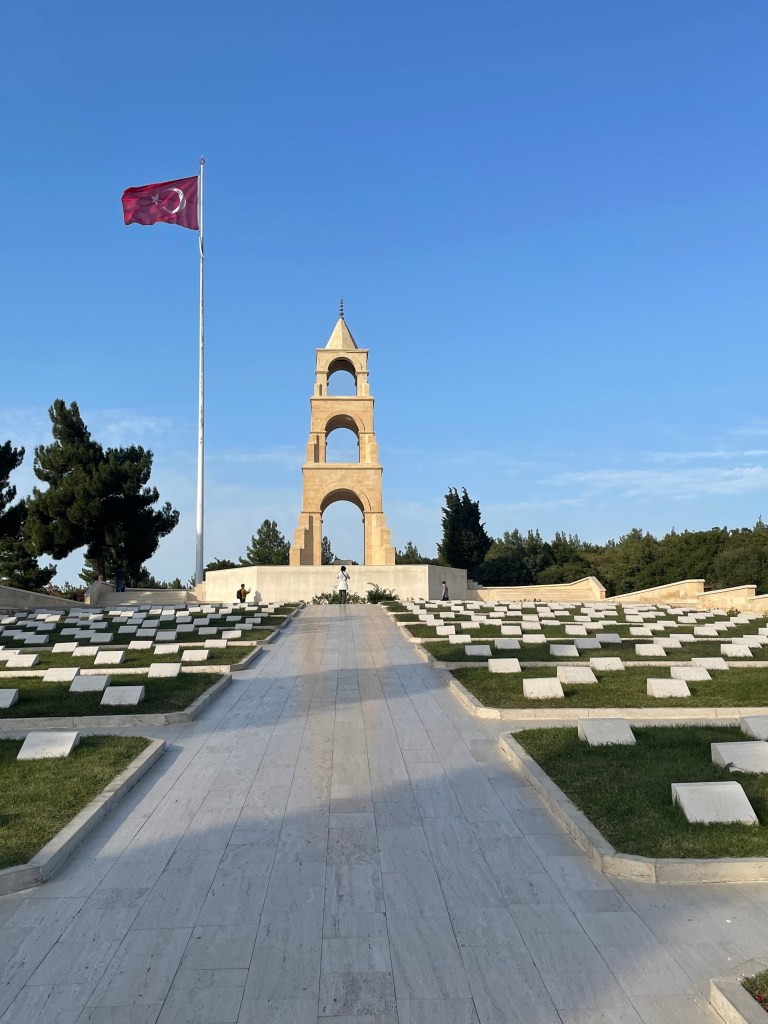
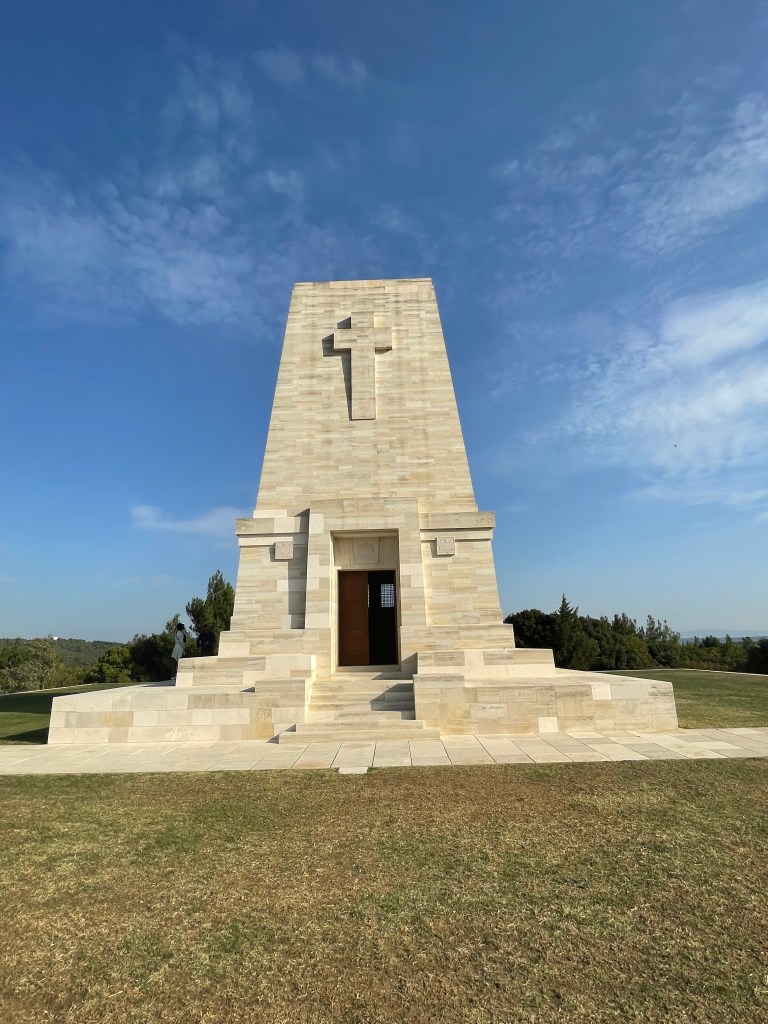
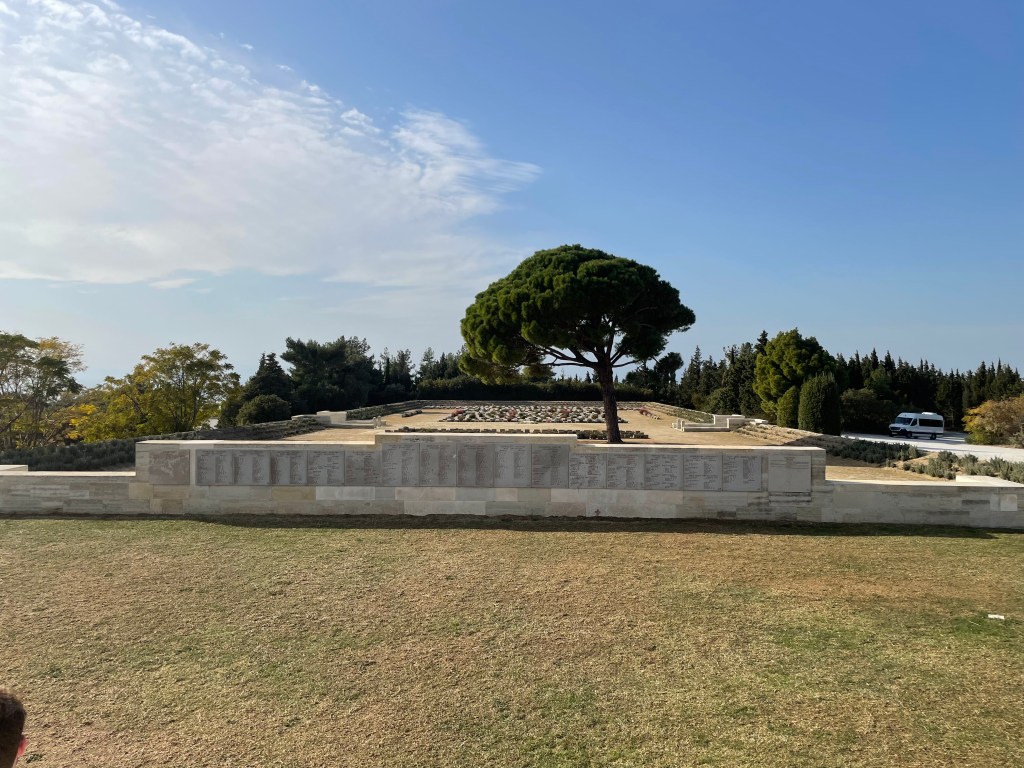
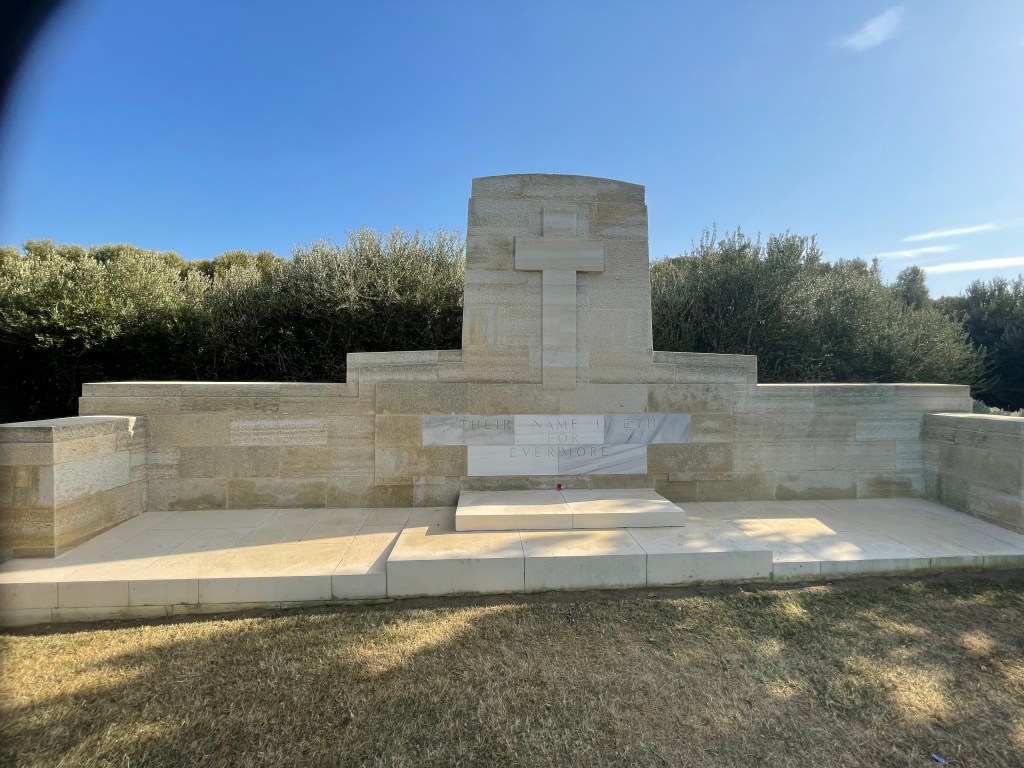
Wandering through the War Cemeteries was very sobering and emotional looking at how many young Aussies lost their lives in the line of duty. It was a very different situation in the Turkish memorials where many were in their 30’s.
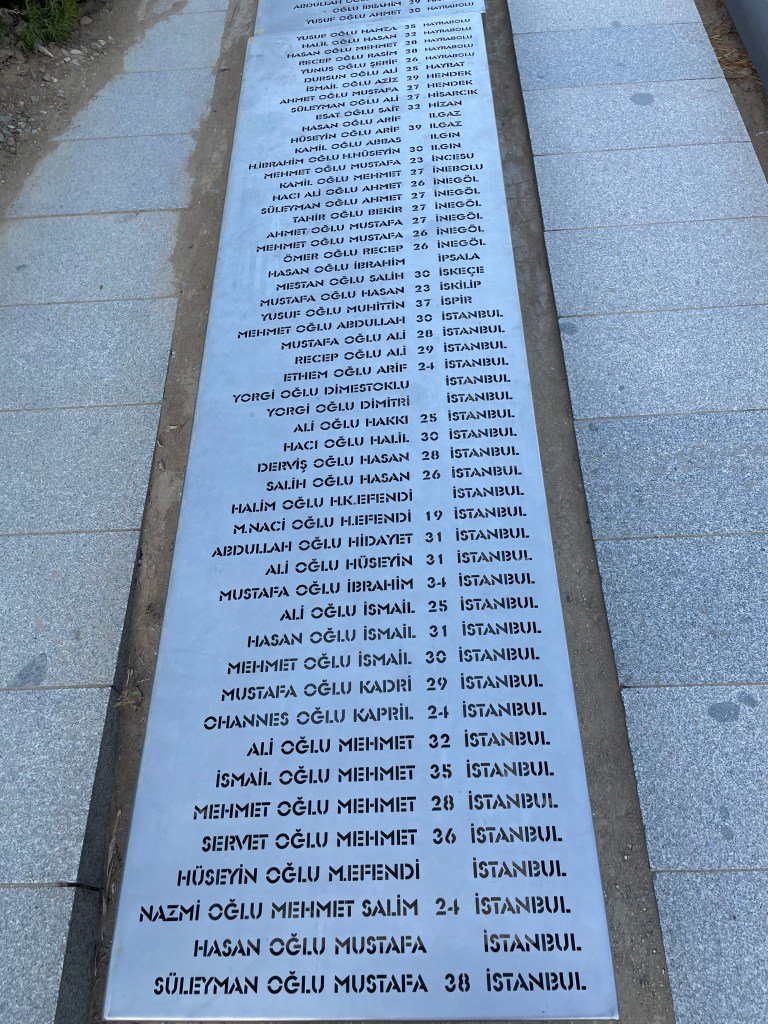
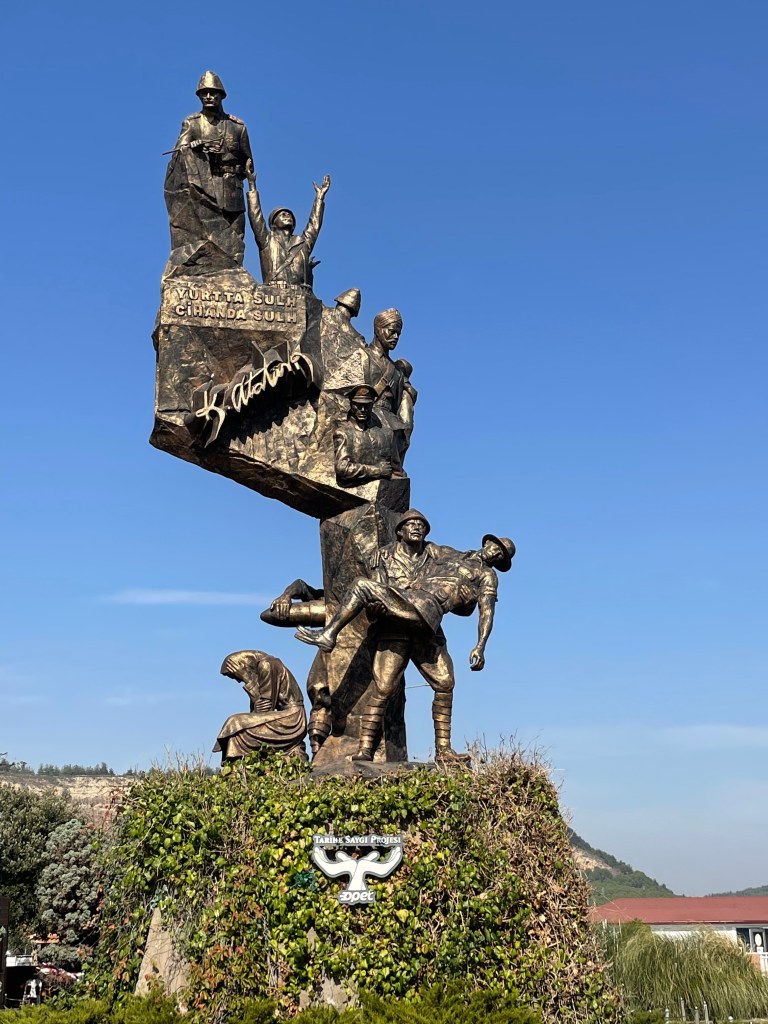
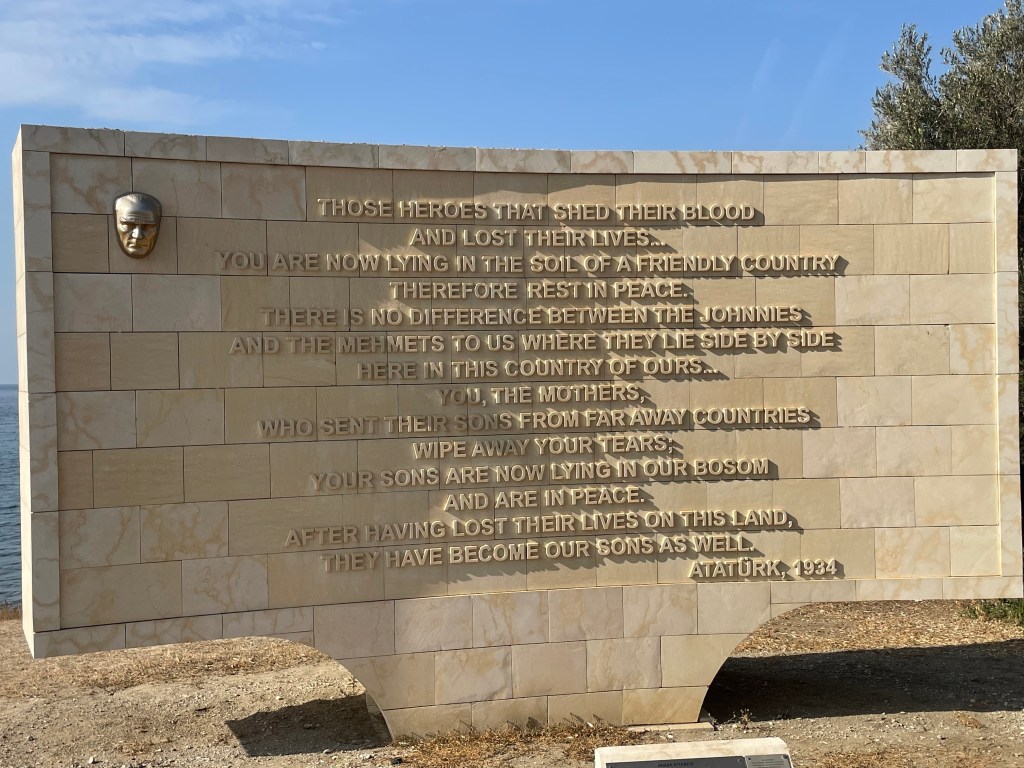
Ataturk was a fabulous tactician and leader of men, but post war as President reflected beautifully on the futility of war.

Today was a day to remember, where lots of tears were shed and fittingly it finished at the top of the hill which was the pinnacle at the start of the campaign, but ended up the last battlefront, where NZ lost half of their total campaign casualties.


One ironic fact was that hardly a casualty was experienced during the evacuation because it was so well planned – oh had such thought gone into planning the assault.

Finished around 530 and endured the 4.5 hour trip home, for us to finish up packing and say farewell to Turkey and head for London.
 Gobble Up Turkey